
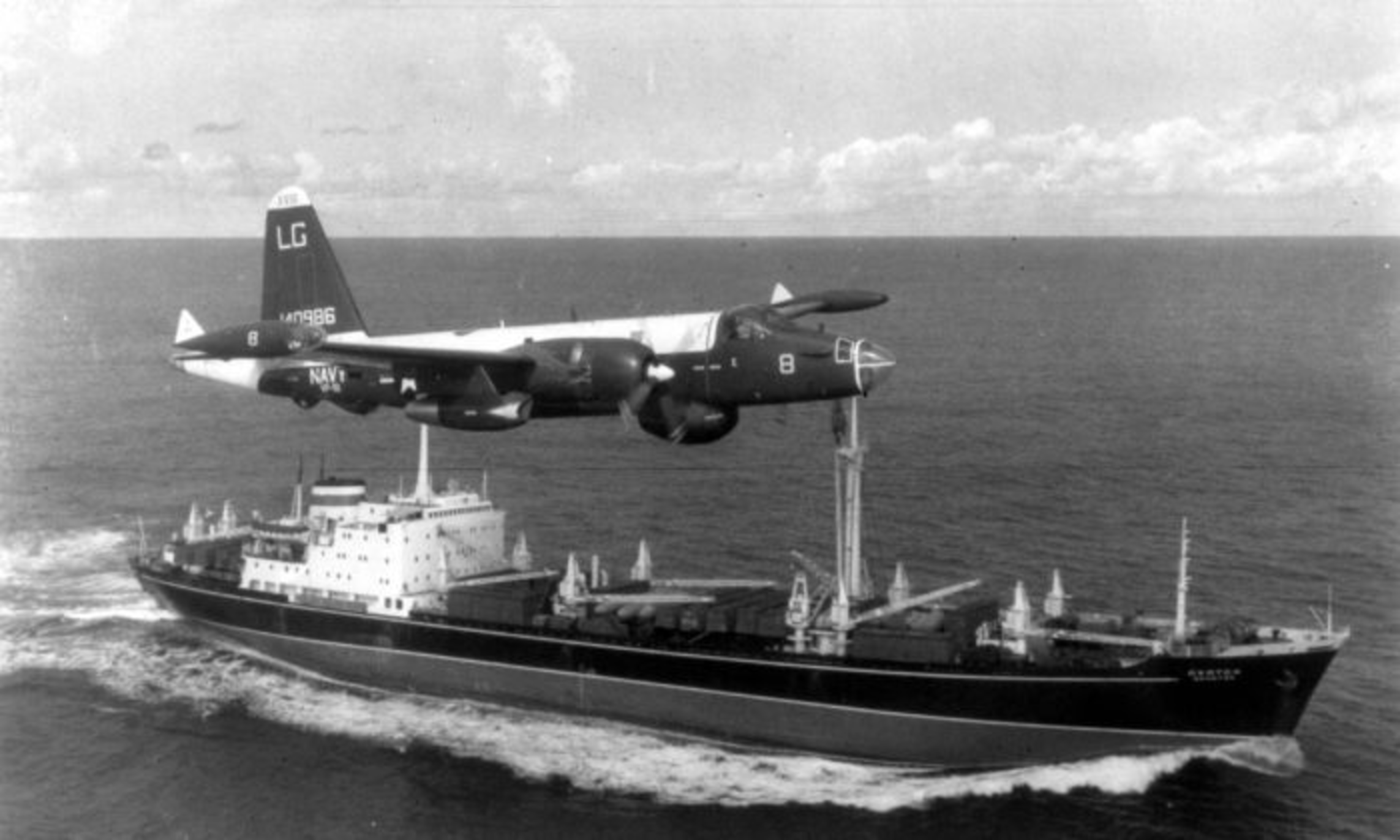
How the Cuban Missile Crisis Unfolded for Canada and Tested a Fledgling NORAD
Commentary On the evening of Oct. 22, 1962, President John F. Kennedy made a dramatic appearance on television to announce that the Soviet Union had taken the intolerable step of installing offensive missiles in Cuba, just 90 miles from the mainland United States. Kennedy’s appearance was followed shortly after 8 p.m. by Canadian Prime Minister John Diefenbaker, speaking in the traditional setting, the House of Commons. It was a harrowing moment—the high drama of which many baby boomers remember because as children they were taught how to shelter under their school desks when the bombing started. Diefenbaker had intended to wait until the next day. He was miffed about the whole affair, but he was under pressure to say something. “The president’s speech could conceivably give rise to a real war scare in Canada,” one of the PM’s advisers told him (and it did.) Moreover, the emergency, someone from External Affairs taunted him, “might be an analogy with the Suez Crisis.”...