
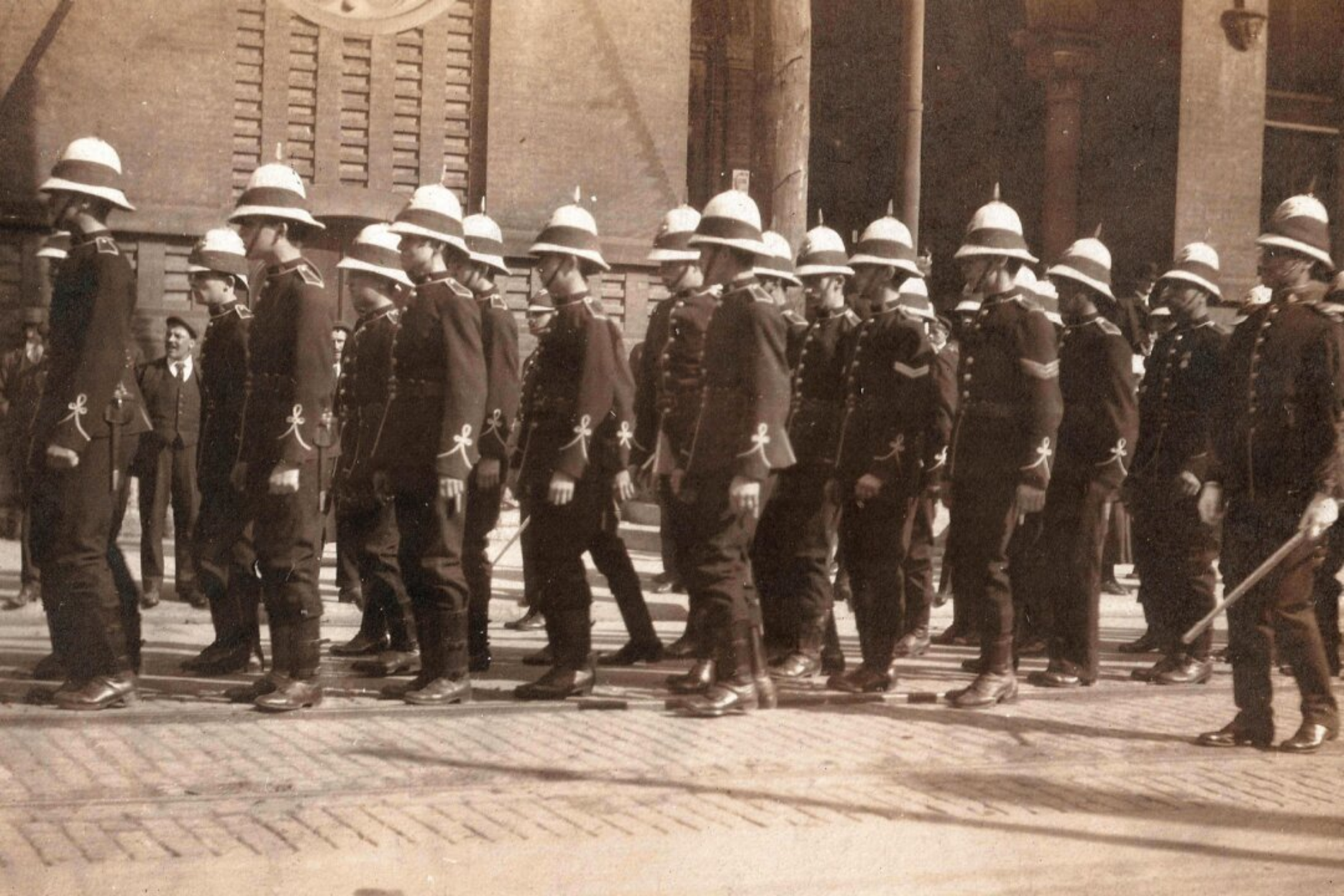
The Nation in Arms: How Canada’s ‘Army on the Cheap’ Became a Successful Fighting Force
Commentary Six months before the outbreak of the Second World War, Prime Minister Mackenzie King predicted that Canada would never again send its army overseas. “The days of great expeditionary forces … crossing the oceans are not likely to recur,” he said in March 1939. It was wishful thinking. The words attributed to communist revolutionary Leon Trotsky are more accurate: “You may not be interested in war, but war is interested in you.” War can only be prevented by preparedness and effective deterrence, which require strategy and cost money. Canada sent more than 600,000 volunteers overseas during the First World War. By difficult learning and training, and with 61,000 killed and 172,000 wounded, they accomplished magnificent feats of arms, helping to force the German surrender in November 1918. The “creation of the Canadian Corps was the greatest thing that Canada had ever done,” wrote historian C.P. Stacey. It was, according to Gen. Jonathan Vance, in a “very real sense the nation in arms, the life-force of Canada transported overseas.”...