
Federal Reserve Stands Pat: Is It Policy or Politics?
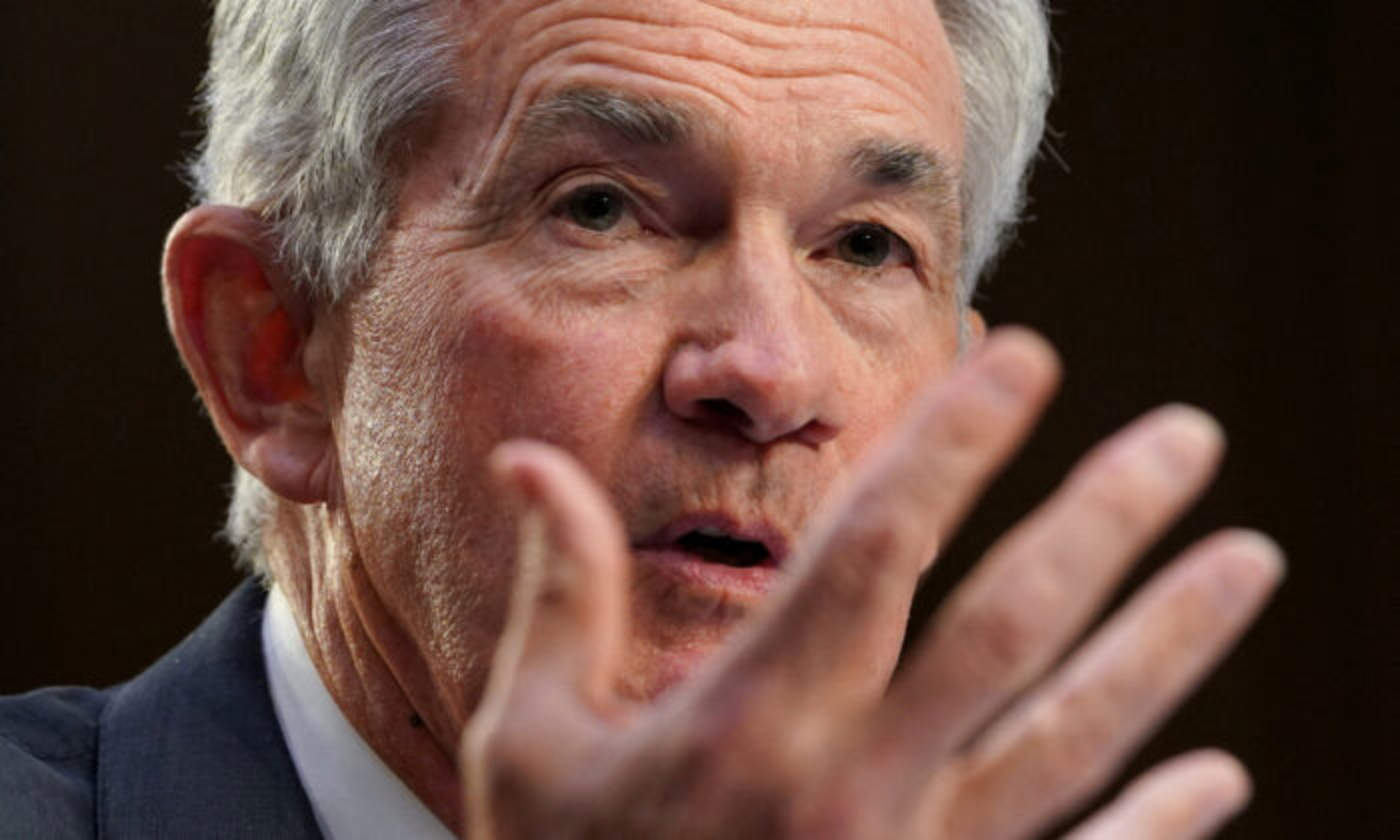
Commentary The Federal Reserve’s recent decision to keep rates steady and to continue quantitative tightening (QT) at its current pace could be considered Chairman Jerome Powell’s in-kind contribution to a Joe Biden 2024 political action committee. The more cynical among us might consider it a capitulation to politics over inflation, at least for the time being. A few things should be considered before delving into this: First, the Fed’s announcement on December 13 that it would hold rates steady and the implications for rate cuts in 2024 that some analysts drew from the Fed’s so-called “dot-plots” (i.e., its Summary of Economy Projections). Said announcement signaled that Chairman Powell and his colleagues will maintain liquidity, even as their own projections of inflation in 2024 exceed the two percent core inflation target by 40 basis points (i.e., at 2.4 percent). Second, the Fed’s decision weakened the U.S. Dollar Index, a measure of the value of the dollar relative to a basket of other currencies, to its lowest value since August. This will make imported products more expensive, exacerbating inflation. Third, small, medium, and regional banks that bought Treasurys to hold their reserves during the period of low interest rates have been battered by the spate of increasing interest rates because bond values move inversely with interest rates. Continued hikes risked many of them having to take additional measures to meet their reserve requirements or a Silicon Valley Bank-style collapse. The Fed’s Dual Mandate Congress originally authorized the Fed to maintain stable prices and then, years later, full employment. But the mandate did not include the necessity to “avoid a recession.” Indeed, while the full employment mandate can be detrimentally affected by a recession, the two are not directly correlated, as shown in this chart showing unemployment and Gross Domestic Product—the traditional assessment of a recession is two consecutive quarters of negative GDP....